PRODUCT PREPARATION
Vacuum Emulsifying and Mixing
Prepare ointment, cream or gel according to formulation, batch, viscosity, temperature and deaeration requirements.
- Equipment
- ALRJ Series
Semi-Fluid Production Workflow
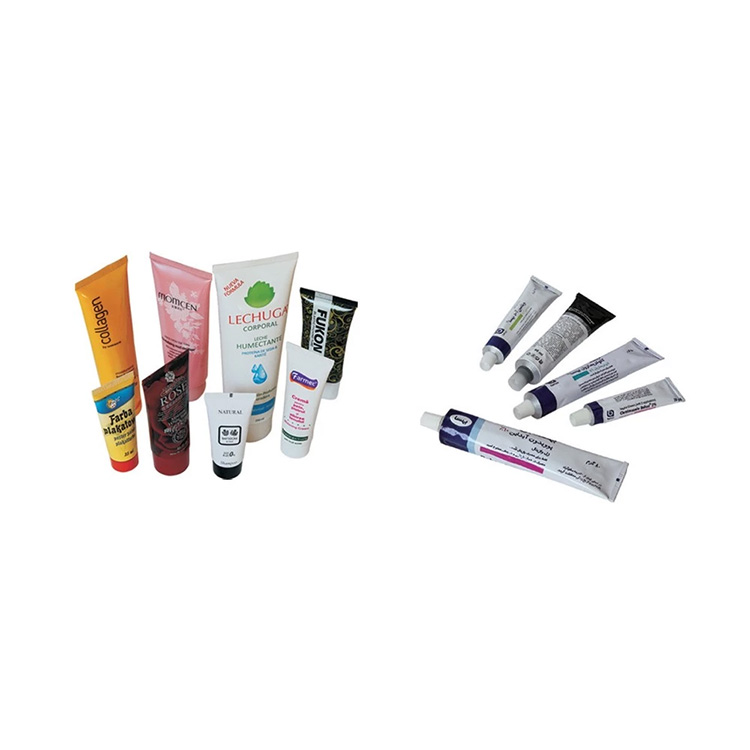
Organize vacuum emulsifying, holding and transfer context, tube filling and sealing around formulation behavior, viscosity, batch size and final tube requirements.
Direct Answer
An ointment, cream or gel workflow commonly includes raw-material charging, mixing and vacuum emulsifying, holding or deaeration, controlled transfer, tube filling and sealing, and downstream inspection or cartoning context. ALRJ and TF-80 represent separate preparation and packaging roles; holding vessels, pumps, piping, temperature control and direct interfaces require project confirmation.
Ointment, Cream & Gel Production Workflow
Define ingredients, charging sequence, temperature and product-contact requirements.
Mix, homogenize and deaerate the product according to formulation, viscosity and batch requirements.
Confirm whether intermediate holding, conditioning or further deaeration is required.
Define the transfer distance, height, temperature, pump, piping and cleaning boundary.
Feed the selected tubes and fill the defined product volume under the required handling conditions.
Seal the selected tube material and define coding or registration requirements.
Define downstream inspection and cartoning requirements separately from the published equipment roles.
Functional Equipment Routes
Preparation and filling are separate equipment roles; holding, transfer and cleaning interfaces require project definition.
PRODUCT PREPARATION
Prepare ointment, cream or gel according to formulation, batch, viscosity, temperature and deaeration requirements.
PRIMARY PACKAGING
Fill and seal the selected tube after confirming product transfer, fill volume, tube material and seal requirements.
Ointment, Cream & Gel Equipment
Published Product
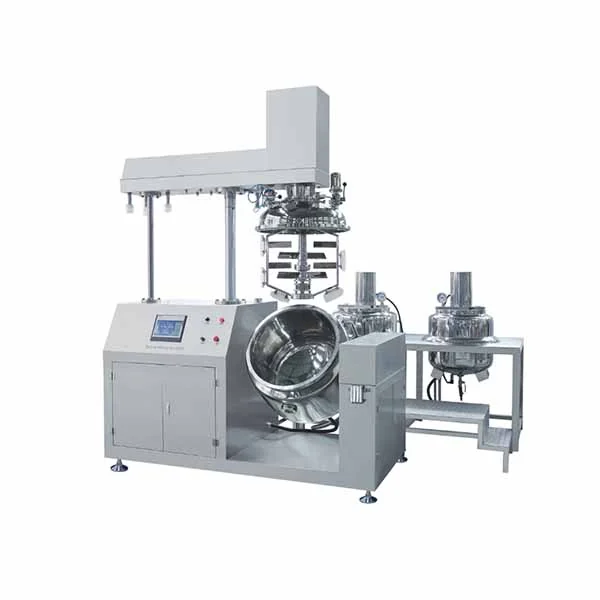
Review the customer-supplied ALRJ series features and technical parameters for vacuum emulsifying and mixing projects.
View product details →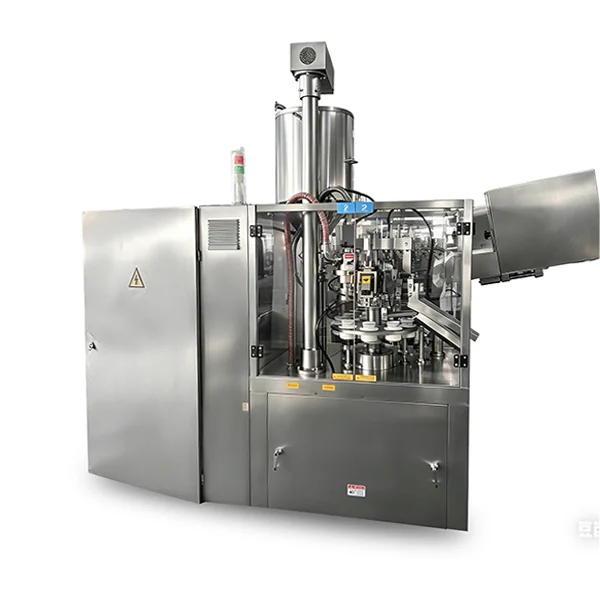
Published Product
Review the customer-supplied TF-80 series features and technical parameters for tube filling and sealing projects.
View product details →Selection Inputs
Selection depends on formulation behavior, viscosity, batch process, transfer requirements and the final tube.
Direct Answers
Typical stages include charging, mixing or vacuum emulsifying, holding or deaeration, product transfer, tube filling, sealing and downstream inspection or cartoning.
Direct connection is not assumed. Holding vessels, pumps, piping, transfer temperature, controls and cleaning scope require project review.
Not automatically. Formulation behavior, viscosity, temperature, batch process and filling requirements must be reviewed for each product.
Provide the formulation and viscosity, batch and process requirements, temperature and vacuum needs, transfer scope, fill volume, tube samples, target output, utilities and layout.
RFQ Checklist
Project Discussion
Share your formulation, viscosity, batch process, transfer requirements, tube format and target output to discuss the right preparation and filling scope.