Pharmaceutical Packaging Application

Pharmaceutical Packaging Applications by Product and Pack Type

Start from the dosage product and package, then compare blister, bottle, tube, carton and liquid-closing roles as distinct routes.

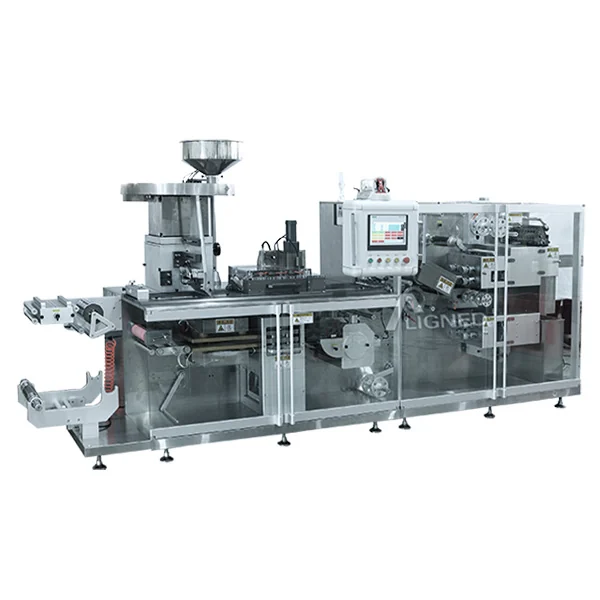
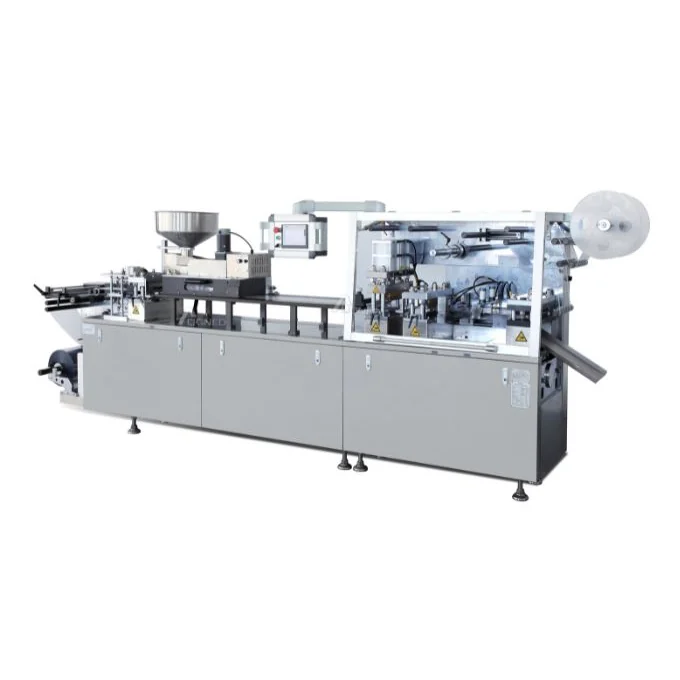
DPP-260 blister packing machine for pharmaceutical packaging

Direct Answer

Which machines are used for pharmaceutical packaging?

Pharmaceutical packaging may use blister machines, counting equipment, tube fillers, cartoners and liquid filling or closing equipment. The route depends on dosage form, primary package, closure, barrier, dose, output and presentation.

Application Review Flow

Define the Pharmaceutical Packaging Route.

  1. 01

    Define dosage product

    Record solid unit, liquid, semi-fluid or oral-film format.

  2. 02

    Choose the primary package

    Separate blister, bottle, tube, container and film sachet.

  3. 03

    Define materials and barrier

    Provide forming, lidding, bottle, tube or flexible-film materials.

  4. 04

    Define dose, count or fill

    Confirm unit dimensions, count, fill volume and output.

  5. 05

    Choose closure and coding

    Define cap, seal, print, label and inspection scope.

  6. 06

    Add secondary packaging

    Review cartoning and grouped handling only after the primary pack.

Packaging Format Routes

Compare Pharmaceutical Packaging Routes.

Primary Packaging

Blister packaging application

Solid-dose forming and lidding context

Define dosage unit, forming material, lidding, barrier and output.

Package formats
Blister packs
Related workflow
Dosage-form workflow dependent
Inputs to confirm
Unit · Forming · Lidding · Output
Review published equipment →

Bottle Packaging

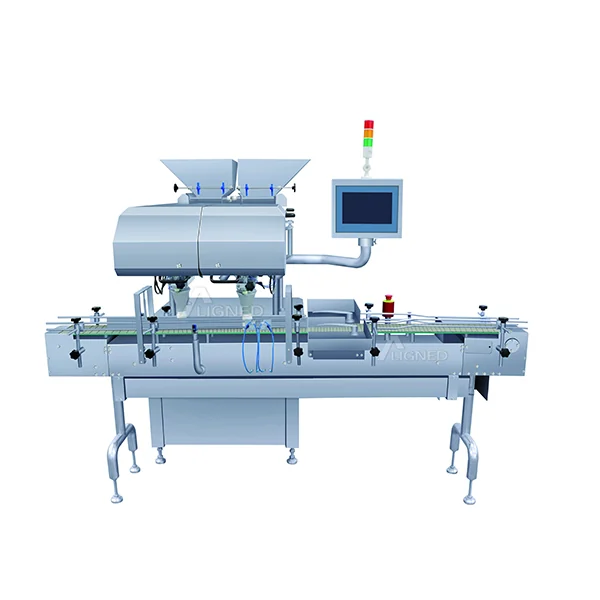
Tablet and capsule counting application

Solid-dose counting into bottles

Define unit behavior, count, bottle, closure and downstream scope.

Package formats
Tablet or capsule bottles
Related workflow
Solid-dose downstream packaging
Inputs to confirm
Unit · Count · Bottle · Closure
Review published equipment →

Secondary Packaging

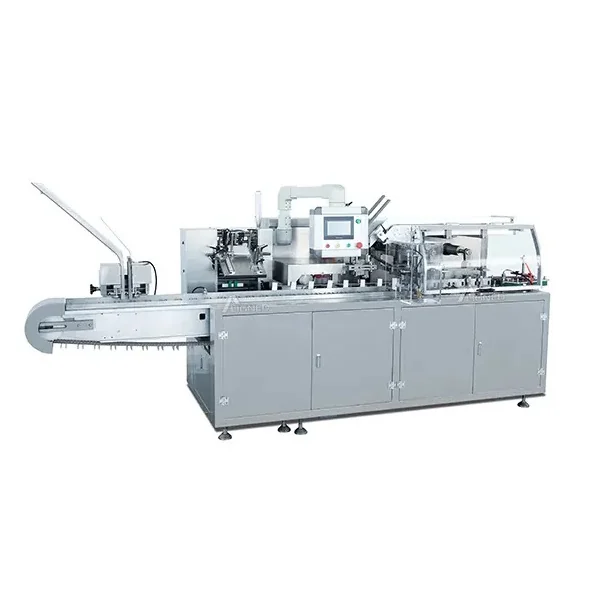
Automatic cartoning application

Carton forming, loading and closing context

Start from the completed primary pack, leaflet, carton and coding scope; confirm the upstream feed interface.

Package formats
Project-defined cartons
Related workflow
Adjacent secondary operation
Inputs to confirm
Primary pack · Leaflet · Carton · Code
Review published equipment →

Liquid Containers

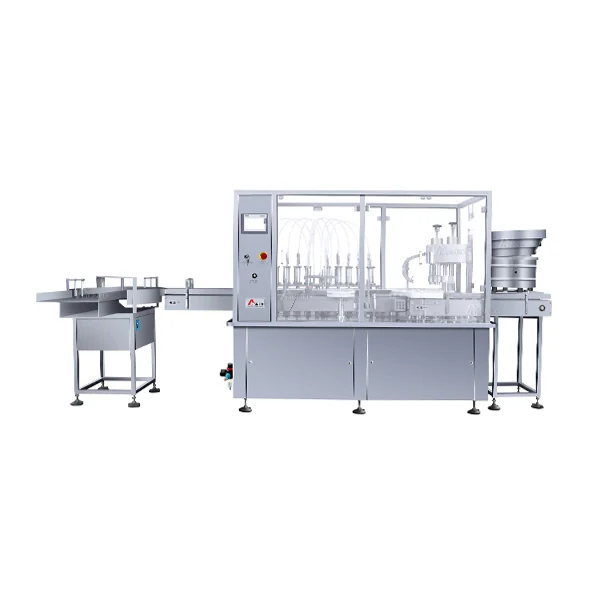
Liquid filling and capping application

Container filling and closing context

Define liquid, dose, container, cap and operating output; review component compatibility and any sterile-processing requirements separately.

Package formats
Compatible liquid containers
Related workflow
Liquid Filling Line
Inputs to confirm
Liquid · Fill · Container · Cap
Review published equipment →

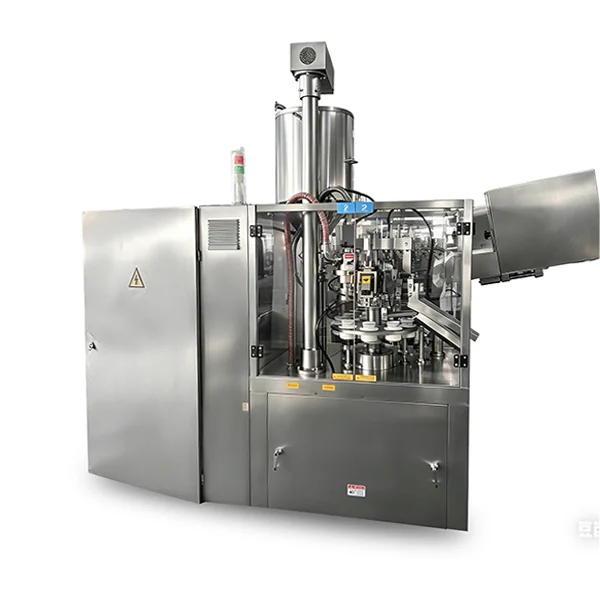
Tube Packaging

Semi-fluid tube packaging application

Tube filling and sealing context

Define product viscosity, fill volume, tube material, seal and transfer conditions.

Package formats
Compatible semi-fluid tubes
Related workflow
Ointment Production Line
Inputs to confirm
Product · Fill · Tube · Seal
Review published equipment →

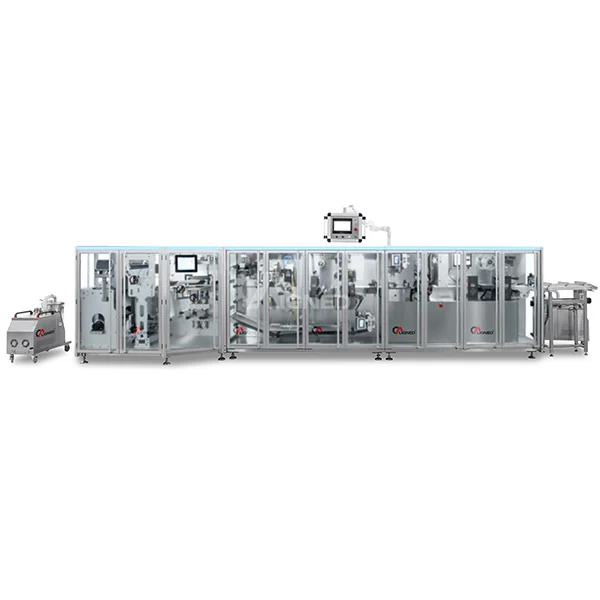
Flexible Primary Pack

Oral-film unit-dose packaging application

Film cutting and sealing context

Define film dose dimensions, packaging material, sealing conditions and final unit format; confirm the film handoff.

Package formats
Oral-film unit packs
Related workflow
ODF Production Line
Inputs to confirm
Film · Dose · Pack material · Output
Review published equipment →

Selection Inputs

Define the product and package before selecting packaging equipment.

Barrier materials, closures, filling conditions and line interfaces shape the packaging route. Review primary-pack alternatives separately, then define any downstream cartoning.

  • Product and dosage form
  • Dose or fill volume
  • Primary package
  • Barrier materials
  • Closure components
  • Output with units
  • Labeling and cartoning
  • Layout and scope

Direct Answers

Pharmaceutical Packaging Application questions.

Short answers distinguish application discovery from confirmed project fit.

Which machines are used in pharmaceutical packaging?

Roles may include blistering, counting, tube filling, cartoning and liquid closing.

Are blister and bottle one fixed line?

No. They are alternative routes.

Is cartoning primary packaging?

It is treated as an adjacent secondary operation.

Can output alone select packaging?

No. Product, materials and components matter.

What belongs in an RFQ?

Provide product, package, closure, output and downstream scope.

RFQ Checklist

Information needed for an application review.

A structured brief supports relevant workflow and equipment mapping.

  • Product and dosage form
  • Dose or fill volume
  • Primary package
  • Barrier materials
  • Closure components
  • Output with units
  • Labeling and cartoning
  • Layout and scope

Project Discussion

Find the Right Equipment for Your Pharmaceutical Packaging

Share your product, primary pack, barrier materials, closure and output requirements to discuss packaging equipment and downstream interfaces.

Start an RFQ