
Equipment Guide
How to Choose a Capsule Filling Machine Type
Capsule filling equipment ranges from operator-led systems for small or variable batches to automatic machines intended for repeat production. Before comparing models, decide which level of automation fits the batch pattern, staffing model, product maturity and downstream packaging plan.
Direct Answer
Capsule Filling Machine Selection Guide for Production Planning
Choose the capsule filling machine type before choosing a model: define batch pattern, operator involvement, product stability and downstream demand, then confirm the available machine category and exact configuration with the supplier.
On this page
Start with the machine type, not a model number
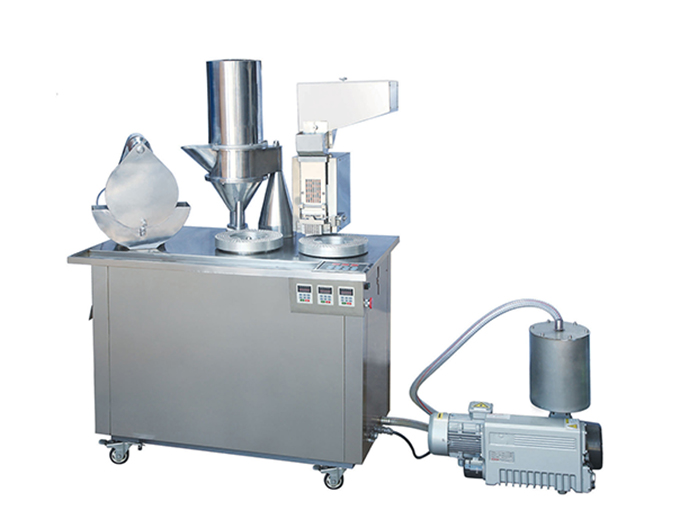
Capsule filling approaches differ mainly in operator involvement, production pattern and integration scope. Operator-led equipment can suit small or variable work; semi-automatic equipment divides work between the operator and machine; automatic equipment coordinates the core hard-capsule cycle for repeat production. These are general categories, and current Aligned Machinery availability must be confirmed for the project.
This article maps the buying decision. Use the capsule machine category for published equipment and product-level information.
Compare operator-led, semi-automatic and automatic workflows
Lower-automation routes
Review these when batches are small, product conditions change frequently or operator flexibility matters more than continuous line rhythm.
Automatic routes
Review these when demand is recurring, the application is stable and operator-dependent pacing or downstream coordination has become a persistent constraint.
If automatic filling is already the likely route, continue to the automatic capsule filling readiness guide.
Define capsule and fill-material boundaries
Confirm hard-capsule format, shell material, powder or granule characteristics and target dose. These inputs determine whether a published machine can be evaluated for the application. They do not by themselves establish final suitability.
Place filling inside the capsule production workflow
Define how prepared material reaches the filler and what happens after closing. Polishing, inspection, handling and packaging can change the required interfaces and supply boundary. Review the capsule production line for workflow context.
Choose the next research path
- Use the capsule-machine category to compare published equipment.
- Use the automatic-filling guide when evaluating an automation upgrade.
- Use product detail pages for approved model context.
- Contact Aligned Machinery with capsule, material, output and line-boundary information for project review.