Equipment Guide
Tablet Press Machine Selection for Solid Dosage Production
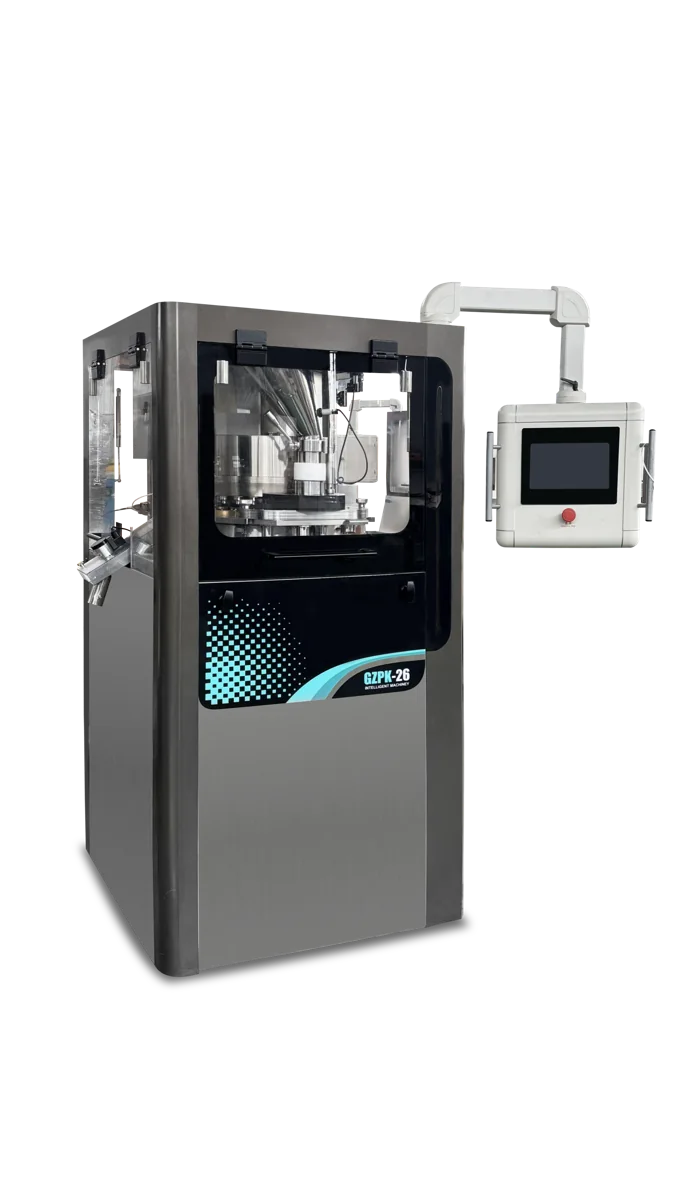
A Tablet Press Machine compresses prepared powder or granules into tablets, but choosing the right press is not just about output targets. Buyers should evaluate tablet press selection within the full solid dosage workflow: pre-compression material readiness, tablet geometry and tooling, operating pattern, and the downstream handling steps that follow compression. In practice, the best-fit machine is the one that matches your product format, utilities, interfaces, and line plan—not simply the largest or fastest option on paper.
Direct Answer
A Tablet Press Machine compresses prepared powder or granules into tablets, but choosing the right press is not just about output targets.
On this page
- What a tablet press machine does and where it fits in production
- Start with pre-compression material readiness, not machine size alone
- Match press type and operating mode to your production objective
- How tooling, tablet geometry, and ejection behavior affect press choice
- Plan for what happens after compression: dedusting, inspection, coating, and packaging
- Which specifications buyers should confirm before comparing tablet press options
- What to prepare before asking Aligned Machinery for a tablet press recommendation
- FAQ
What a tablet press machine does and where it fits in production
A tablet press machine sits at a critical point in solid dosage manufacturing. Upstream processes prepare the material for compression. The press then converts that prepared material into the final tablet form, after which downstream equipment may handle dedusting, inspection, coating, packaging, or transfer to the next operation.
That process position matters. A press does not work in isolation. If upstream material behavior is inconsistent, the press may be difficult to feed consistently. If downstream handling expects a certain tablet shape, discharge pattern, or presentation, those requirements can influence which press configuration makes sense.
For B2B buyers, this means tablet press selection should usually begin with questions such as:
- What material will be compressed?
- What tablet format is required?
- What output objective is realistic for the actual operating pattern?
- What utilities, interfaces, and downstream connections must be considered?
Aligned Machinery supports buyers who want to evaluate tablet equipment within a broader workflow. Our product range includes tablet equipment, packaging machinery, and production workflow planning, so discussions can focus on process fit rather than a machine viewed alone. Final model fit, technical scope, and interfaces should still be confirmed against the details of the project.
Start with pre-compression material readiness, not machine size alone
One of the most common buying mistakes is narrowing options by nominal machine size before confirming whether the material is truly ready for compression. In real production, feed behavior often matters as much as headline output.
Pre-compression material readiness typically includes practical questions such as whether the powder or granules flow consistently, whether the feed behavior is stable enough for the intended operating pattern, and whether the material condition aligns with the planned compression stage. This is not about making formulation promises. It is about recognizing that the press can only perform within the boundaries created by the incoming material.
A buyer comparing presses should therefore review:
- Material behavior during feeding
- Consistency of the prepared product
- Whether the production plan is continuous, batch-oriented, or changeover-heavy
- The operating environment around the press
- Utility and interface requirements that may affect installation
Output alone is not enough for final selection. Two projects with similar target output may still need different press configurations because the material, product format, operating conditions, and downstream scope are different.
A simple example: a buyer planning moderate output with frequent product changes may prioritize cleaning access, changeover logic, and integration boundaries differently from a buyer planning long, stable runs of one tablet format. The right conversation starts with process reality, not just a requested number.
Match press type and operating mode to your production objective
Tablet press selection should match the production objective and process boundary. That includes not only target output, but also how the line will actually be run.
Useful buyer questions include:
- Is the goal development, pilot, or established production?
- Will the line run one tablet format most of the time, or multiple formats?
- Is the project focused on pharmaceuticals, nutraceuticals, or another compatible solid dosage application?
- How important are shift pattern, intervention frequency, and upstream/downstream synchronization?
When comparing machine options, keep the units and operating assumptions consistent. A comparison becomes much less useful if one option is considered under idealized conditions and another under actual production conditions.
Aligned Machinery offers multiple tablet-related machine series and tablet equipment pages, but exact model matching should be handled case by case. That is especially important when buyers are considering operating mode, utility availability, or interface expectations. In other words, a press should be matched to the production objective after the project boundaries are clear.
For buyers exploring the next step, our tablet machine product pages for compression equipment overview can help organize the discussion before model-level comparison.
How tooling, tablet geometry, and ejection behavior affect press choice
Tooling and tablet geometry should be defined early because they affect far more than the appearance of the final tablet. Shape, dimensions, embossing requirements, and general format can all influence how a press is evaluated.
This matters in at least three ways.
First, tooling format affects the press selection process itself. Buyers should be ready to share the tablet shape and dimensions they intend to produce. A round tablet, an oblong format, or a shaped tablet can create different expectations for tooling review and machine fit.
Second, tablet geometry can affect what happens at discharge and during transfer. Even when tablets are successfully compressed, the downstream path still matters. Fragility, orientation, and presentation can influence whether the tablets move smoothly into dedusting, coating, counting, blister packaging, or bottle filling workflows.
Third, ejection behavior should be considered as a handling issue, not just a press-only issue. Buyers do not need to overcomplicate this at the early stage, but they should think about whether the planned tablet format will create extra sensitivity in post-compression movement.
A practical way to frame this is:
- Define the tablet dimensions or format
- Define tooling expectations
- Define how tablets will be collected and transferred after compression
- Check whether downstream equipment expects a certain presentation or flow condition
This is why Aligned Machinery asks buyers to include format or dimensions in project discussions. Tablet geometry and tooling are not side details—they are central selection inputs.
Plan for what happens after compression: dedusting, inspection, coating, and packaging
Press selection should account for downstream scope before the machine is finalized. After compression, many projects need some combination of dedusting, inspection, coating, transfer, and packaging. Those steps can influence the press choice because the machine outlet, discharge pattern, and interface expectations may need to align with the rest of the line.
For example:
- A project sending tablets directly to dedusting should review the handoff between press discharge and post-compression handling.
- A project requiring visual inspection or quality checks should think about tablet presentation and transfer stability.
- A project with tablet coating should consider how compressed tablets move into the next process stage.
- A packaging-led project should review whether the downstream bottleneck is actually in blistering, bottling, cartoning, or final packing rather than in the press itself.
Aligned Machinery offers related tablet and packaging workflow content, including tablet post-compression equipment such as dedusting and broader production-line planning. That allows a workflow-based discussion rather than a narrow machine-only conversation. If you are evaluating the full process, our tablet production line solution overview for upstream and downstream context is a useful next reference.
Which specifications buyers should confirm before comparing tablet press options
Before comparing tablet press options, buyers should gather a common set of project inputs. Without that, machine comparisons can become misleading very quickly.
The most useful items to confirm are:
- Product or material to be compressed
- Target output, with units clearly stated
- Tablet format or dimensions
- Tooling-related requirements
- Operating pattern or shift expectation
- Available utilities
- Operating environment
- Destination market
- Required upstream scope
- Required downstream scope
- Interface expectations with adjacent equipment
It is also important to compare options using the same definitions. If one quotation assumes one tablet format, one utility condition, and one line boundary, while another assumes something different, the comparison will not reflect real project fit.
Some exact details often require direct project confirmation rather than guesswork, including:
- Final model selection
- Exact capacity under the intended operating condition
- Installed dimensions and footprint
- Utility specifications for the selected configuration
- Interface scope with upstream or downstream equipment
- Documentation package, compliance-related paperwork, and market-specific project needs
This is where careful buyer preparation saves time. Instead of chasing incomplete specs too early, focus on the information that determines machine fit.
What to prepare before asking Aligned Machinery for a tablet press recommendation
To help Aligned Machinery discuss the right tablet press approach, prepare a short project brief before inquiry. The more clearly the workflow is described, the more useful the next conversation will be.
A strong inquiry package usually includes:
- Product description: What material or product will be compressed?
- Tablet format: What shape, dimensions, or general geometry are required?
- Output target: What throughput is expected, and in what units?
- Operating pattern: Continuous production, batch production, multiple SKUs, or frequent changeovers?
- Utilities: What power and site utility conditions are available?
- Workflow scope: What equipment is upstream and downstream of the press?
- Destination market: Are there market-specific documentation or project expectations?
- Installation context: What space, layout, or transfer constraints should be considered?
Aligned Machinery can discuss tablet press equipment requirements together with solid dosage workflow fit. We can also help frame the inquiry around tablet equipment, related packaging scope, and production-line planning when project requirements fit that approach. Final equipment selection, interfaces, documentation, and supply scope should be aligned with the project details.
If you are ready to move from general research to project discussion, Contact Aligned Machinery to discuss tablet press equipment requirements and solid dosage workflow fit.